
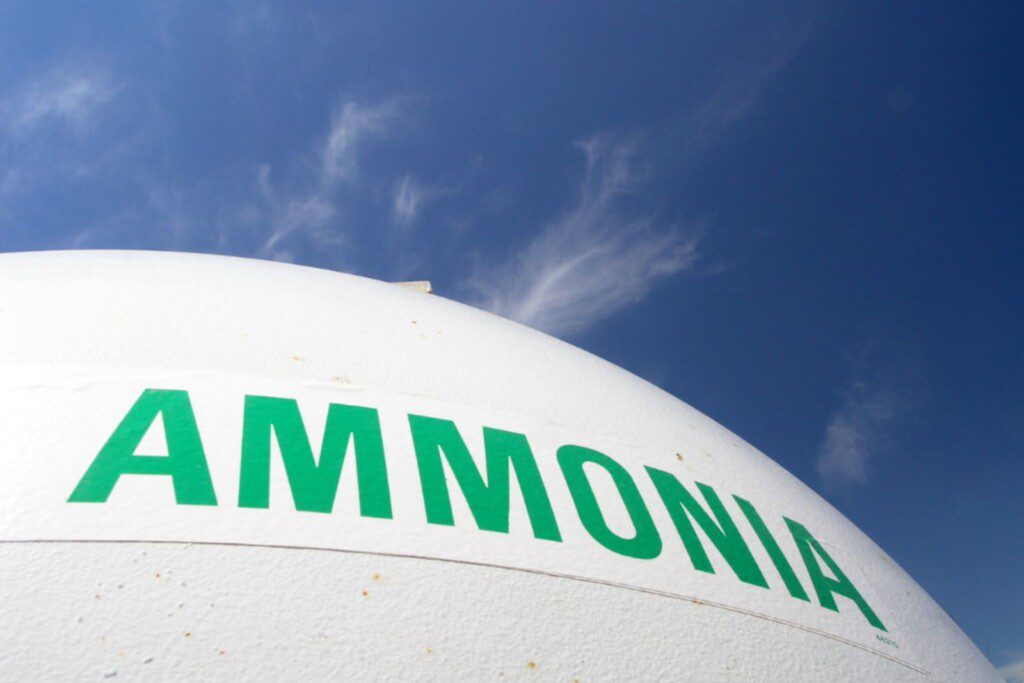
Industrial facilities that utilise ammonia as part of their operations rely heavily on the performance, reliability, and safety of their equipment. Whether ammonia is used in emissions control systems, refrigeration processes, chemical manufacturing, or other industrial applications, maintaining equipment in optimal condition is essential for achieving consistent performance and supporting safe operations. Ammonia handling equipment often operates in demanding environments where exposure to chemicals, pressure variations, temperature fluctuations, and continuous use can place significant stress on system components. As a result, effective maintenance practices play a critical role in extending equipment life and reducing the likelihood of unexpected failures.
Many organisations view maintenance as a necessary operational responsibility, but its value extends far beyond routine upkeep. A well-structured maintenance programme helps protect capital investments, improve reliability, support regulatory compliance, and minimise costly downtime. Understanding the common maintenance practices associated with ammonia handling equipment can help facilities develop strategies that contribute to long-term operational success.
One of the most important aspects of equipment maintenance is regular inspection. Inspections provide opportunities to identify potential issues before they develop into larger problems that affect performance or safety. Even relatively minor concerns can become more significant if left unaddressed, making early detection a valuable component of any maintenance programme.
Routine inspections typically focus on evaluating the condition of equipment components, connections, piping systems, valves, instrumentation, and support structures. Visual assessments can often reveal signs of wear, corrosion, leakage, damage, or abnormal operating conditions that warrant further investigation. By identifying concerns at an early stage, facilities can take corrective action before more extensive repairs become necessary.
Leak detection is particularly important when maintaining ammonia handling equipment. Ammonia systems depend on the integrity of pipes, fittings, valves, tanks, and associated infrastructure. Even small leaks can create operational challenges and potentially affect safety if not addressed promptly.
Regular monitoring and inspection help ensure that leaks are identified quickly. Facilities often implement procedures that include both visual evaluations and specialised detection methods designed to identify conditions that may not be immediately apparent during routine observations. Maintaining system integrity remains one of the most important priorities within any ammonia-related operation.
Corrosion management is another critical maintenance consideration. Depending on operating conditions and environmental factors, certain components may be exposed to conditions that contribute to material degradation over time. Corrosion can affect structural integrity, reduce equipment performance, and increase the likelihood of failures if not managed effectively.
Preventive maintenance programmes often include regular evaluations of equipment surfaces, protective coatings, and structural components. Addressing corrosion concerns promptly helps preserve equipment condition while supporting long-term reliability. Facilities that prioritise corrosion management frequently experience fewer unexpected maintenance issues and longer equipment service lives.
Cleaning procedures also contribute significantly to equipment longevity. Industrial systems can accumulate contaminants, residues, dust, and other materials that interfere with performance over time. Deposits may affect flow characteristics, instrumentation accuracy, heat transfer efficiency, or mechanical operation depending on the specific equipment involved.
Routine cleaning helps maintain optimal operating conditions while reducing unnecessary stress on system components. Well-maintained equipment often operates more efficiently, experiences less wear, and requires fewer corrective interventions than systems allowed to accumulate excessive contamination.
Valve maintenance is another important element of ammonia handling equipment care. Valves play a critical role in controlling flow, regulating pressure, isolating sections of the system, and supporting overall process performance. Because they are frequently used and often operate under demanding conditions, valves require regular attention to ensure reliable operation.
Inspection, testing, lubrication, and adjustment activities help maintain valve performance while reducing the likelihood of operational issues. Proactive maintenance can identify wear or deterioration before functionality is compromised, helping facilities avoid disruptions that may affect production or safety.
Instrumentation and monitoring devices also require ongoing maintenance. Modern ammonia systems often rely on sensors, gauges, transmitters, and control equipment to provide operational visibility and support decision-making. Accurate data is essential for maintaining safe and efficient operations.
Calibration and testing activities help ensure that instruments continue to provide reliable information. Inaccurate readings can lead to inappropriate operational decisions, making regular verification an important component of system maintenance. Reliable instrumentation supports both process performance and risk management objectives.
Pressure management equipment deserves particular attention because it plays a central role in maintaining system stability. Components such as regulators, relief devices, and pressure monitoring equipment help protect systems from abnormal operating conditions. These devices must function correctly to support safe operation and prevent excessive stress on equipment.
Routine testing and inspection help confirm that pressure-related components remain capable of performing their intended functions. Preventive attention in this area can reduce the likelihood of more serious equipment issues while supporting overall system integrity.
Lubrication is another maintenance practice that contributes to equipment longevity. Mechanical components often depend on proper lubrication to minimise friction, reduce wear, and maintain efficient operation. Inadequate lubrication can accelerate component degradation and increase the risk of premature failure.
Establishing consistent lubrication schedules helps ensure that moving parts receive appropriate care throughout their operational life. While lubrication requirements vary depending on equipment design and operating conditions, maintaining these schedules is an important aspect of preventive maintenance.
Documentation and recordkeeping are often overlooked but provide substantial long-term value. Detailed maintenance records help facilities track equipment performance, identify recurring issues, monitor maintenance history, and support future planning efforts. Access to accurate records allows maintenance teams to make more informed decisions while improving overall programme effectiveness.
Historical information can reveal patterns that might otherwise go unnoticed. Understanding how equipment has performed over time supports better forecasting and helps organisations allocate resources more effectively.
Training also plays an important role in maintenance success. Equipment reliability depends not only on maintenance procedures but also on the knowledge and skills of the personnel responsible for performing them. Employees who understand system operation, inspection techniques, safety requirements, and maintenance best practices are better equipped to identify potential concerns and respond appropriately.
Ongoing training helps ensure that maintenance activities are performed consistently and according to established procedures. As equipment technologies evolve, continued education becomes increasingly important for maintaining high standards of performance and safety.
Preventive maintenance strategies generally provide greater long-term benefits than reactive approaches. Waiting until equipment fails before taking action often results in higher repair costs, increased downtime, and greater operational disruption. Preventive maintenance focuses on addressing potential issues before failures occur, supporting more predictable and efficient operations.
Many facilities combine scheduled maintenance activities with condition monitoring techniques that provide additional insight into equipment health. This approach allows maintenance efforts to be prioritised based on actual operating conditions rather than relying solely on fixed schedules.
Reliability remains one of the primary objectives of any maintenance programme. Ammonia handling equipment frequently supports critical industrial processes where interruptions can affect production schedules, environmental performance, and operational efficiency. Maintaining dependable equipment performance therefore contributes directly to broader organisational goals.
As industrial facilities continue to pursue greater efficiency and reliability, maintenance practices will remain essential to the successful operation of ammonia systems. Regular inspections, leak detection, corrosion management, cleaning, instrumentation verification, valve maintenance, lubrication, documentation, and workforce training all contribute to extending equipment life and supporting consistent performance.
By adopting a proactive approach to maintenance, organisations can protect valuable assets while reducing operational risks and improving long-term reliability. Ammonia handling equipment represents a significant investment, and thoughtful maintenance strategies help ensure that this investment continues to deliver value throughout its operational life. Facilities that prioritise these practices are often better positioned to achieve safe, efficient, and sustainable operations for years to come.
