
In recent years, the demand for sustainable and affordable pest control solutions has been on the rise. Homeowners, businesses, and agricultural entities alike are seeking methods that not only manage pest populations effectively but also minimize harm to the environment and are economically viable. As a result, exploring cost-effective pest management solutions is crucial for maintaining a healthy balance between ecological integrity and economic practicality.
The Importance of Integrated Pest Management (IPM)
Integrated Pest Management (IPM) is a multifaceted approach that combines various management strategies and practices to suppress pest populations. The goal of IPM is to reduce the reliance on chemical pesticides and integrate cultural, physical, biological, and chemical tools to manage pests in an environmentally and economically sound manner.
Adopting IPM can lead to substantial cost savings over time. By carefully monitoring pest populations and utilizing preventive measures, property owners can reduce the frequency and intensity of pesticide applications. This not only saves money but also reduces potential health risks associated with excessive chemical usage.
Biological Control: Nature’s Solution
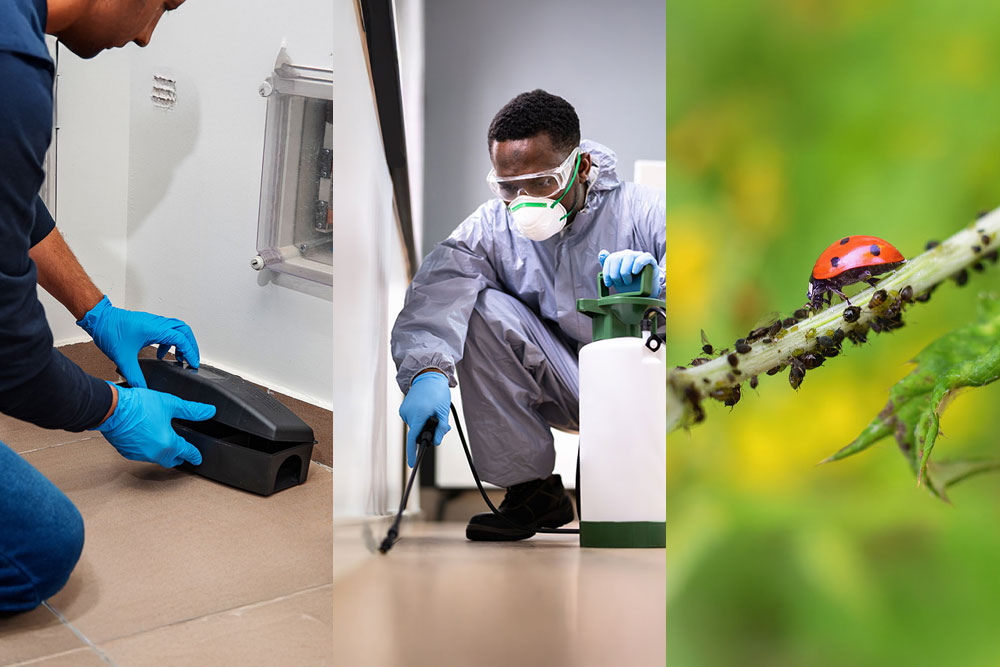
One of the most promising cost-effective pest management solutions is biological control. This approach involves the use of natural predators and parasites to control pest populations. For instance, ladybugs and lacewings are known to effectively manage aphid populations in gardens and farms.
Biological control methods are often more sustainable and less expensive in the long run compared to traditional chemical methods. They present a natural balance where beneficial insects thrive, thereby reducing the need for synthetic interventions. However, it is important to carefully select and manage biological agents to ensure they do not become pests themselves.
Utilizing Technology in Pest Management
Technological advancements have opened the door to innovative pest management solutions. From drones that monitor large agricultural areas to smart traps that provide real-time data on pest activity, technology is revolutionizing the way we approach pest control.
For urban settings, digital platforms and apps can connect homeowners with local pest control services. By simply searching for Pest control near me, individuals can quickly find nearby professionals who offer affordable and effective pest management services. Such platforms facilitate competition and transparency, often leading to better pricing and service quality for consumers.
DIY Solutions: A Practical Approach
For budget-conscious individuals, do-it-yourself (DIY) pest control methods can be an effective solution. Simple measures such as sealing cracks, maintaining clean environments, and using natural repellents like peppermint oil or diatomaceous earth can keep pests at bay without breaking the bank.
While DIY solutions can be effective for minor infestations, it is crucial to recognize the limits of these methods. For severe infestations or specialized pest issues, professional assistance may be necessary to prevent long-term damage and ensure safety.
Conclusion
Exploring cost-effective pest management solutions requires a holistic approach that considers ecological balance, economic viability, and technological advancements. Whether through integrated pest management, biological control, technological innovations, or DIY strategies, effective pest management is attainable and sustainable. By choosing the right combination of methods, individuals and businesses can protect their properties and the environment, all while keeping costs under control.
