
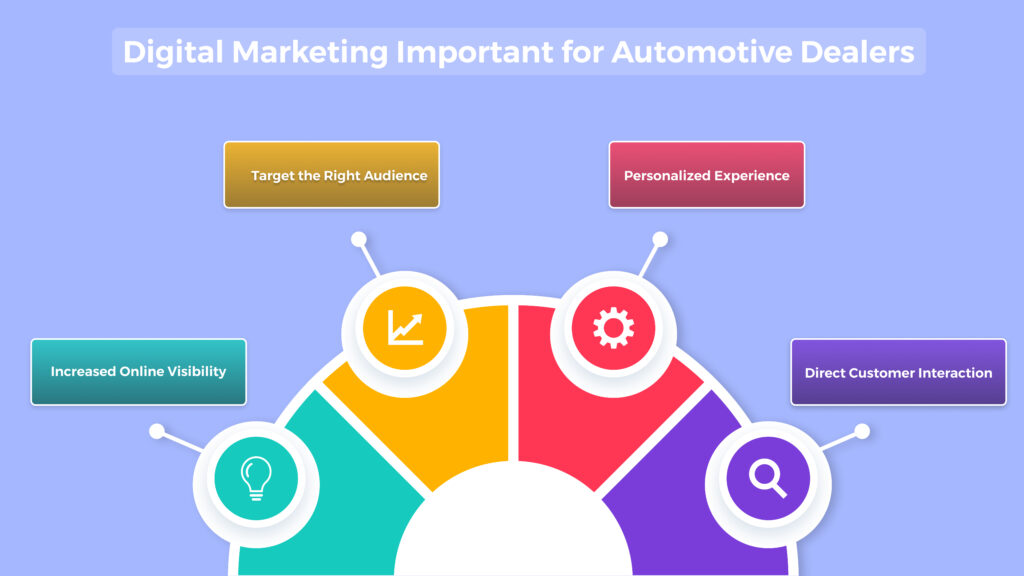
Automotive businesses compete for attention long before a customer walks into a showroom or books a service appointment. Buyers research models, compare prices, read reviews, and look for practical advice online. A useful digital strategy should meet them at those different stages—not rely on a single campaign or channel. For dealerships, repair shops, parts sellers, and automotive brands, that means combining helpful content, trusted industry visibility, and carefully chosen technology.
Start with the questions customers ask
Content works best when it solves a real problem. A dealership might explain how to compare a hybrid and a conventional vehicle for a daily commute. A repair business could clarify what a warning light means, when tires should be replaced, or how seasonal maintenance affects performance. Parts companies can publish fitment guidance and explain differences between product options.
These subjects are more useful than broad promotional claims because they help readers make decisions. They can also build confidence in a business’s expertise. Before creating a calendar, list common questions from sales calls, service appointments, customer emails, and online reviews. Group them by audience and buying stage, then prioritize topics that are both relevant to your services and specific enough to answer well.
Reach audiences beyond your own website
Publishing useful material on your own site gives potential customers a place to learn, but it is only one part of content distribution. Contributing an article to a relevant automotive publication can introduce your expertise to readers who may not know your business yet. The key is to choose publications whose audience and subject matter genuinely fit, rather than treating every available placement as equally valuable.
Businesses exploring this approach can review automotive guest-posting sites as a starting point for identifying potential publishers. A directory can help with discovery, but each opportunity still deserves individual evaluation. Read recent articles, check whether the site covers topics related to your customers, and look for signs of an active editorial standard. Consider whether the audience is in the right market and whether the publication reaches people likely to care about your expertise.
A strong guest article should stand on its own. It might explain how to evaluate a used vehicle’s maintenance history, outline questions to ask before choosing a repair shop, or describe how fleet managers can reduce avoidable downtime. Keep the advice useful even for readers who never become customers. A clear author biography can establish who is speaking, while the article itself should avoid turning into a sales pitch.
Set a process for quality and measurement
Before pitching, review a publication’s submission rules and recent coverage. Propose a specific angle, explain why its readers would benefit, and avoid sending a generic article that could appear anywhere. Once a piece is published, share it through appropriate channels and track the results over time.
Useful measures depend on the goal. Referral visits and inquiries can indicate whether an article is reaching potential customers. Search visibility and mentions of your brand may take longer to assess. Keep records of publication, topic, date, and outcomes so that future efforts can focus on the subjects and audiences that prove most relevant. A large number of placements is not automatically a sign of success; relevance and reader value matter more.
Use technology to improve the customer journey
Content is not the only way automotive businesses can improve their digital presence. Some may benefit from tools that help customers find vehicles, compare service options, schedule maintenance, or get answers to routine questions. Artificial intelligence can support these experiences, but it should solve a defined problem rather than be added simply because it is popular.
For example, a business considering an AI-powered service assistant should first decide what it needs to do: answer questions from approved information, collect appointment details, or route complex requests to staff. The project scope should specify the channels it will use, the data it can access, how accuracy will be checked, and what happens when it cannot answer. These choices affect both development time and cost.
When planning this kind of work, it helps to compare AI project scope and pricing before deciding who to hire. Osdire’s guide to hiring AI engineers in the USA outlines skills and cost considerations that can help a business prepare for those conversations. A clear brief makes it easier to compare proposals on the same basis, including experience, deliverables, testing, and ongoing support.
Make the plan manageable
Not every business needs a large marketing department or a complex software project. A practical first phase could include:
- One audience: Choose a customer group, such as local drivers, fleet operators, or used-car buyers.
- A small content plan: Publish useful answers on your own site and pitch a limited number of well-matched external articles.
- A measurable goal: Decide whether the priority is qualified inquiries, service bookings, or awareness in a particular market.
- A contained technology test: If an AI tool is appropriate, start with a narrow use case and establish how performance will be reviewed.
Conclusion
Automotive digital growth comes from being helpful and consistent. Clear, practical content can earn attention, relevant guest contributions can introduce a business to new readers, and well-scoped technology can remove friction from customer interactions. By choosing activities that match customer needs—and measuring whether they work—automotive businesses can build a stronger online presence without losing sight of the people they serve.
