
Post Preview
Table of Contents
- Start With the Life You Want to Live
- Compare Areas by Everyday Convenience
- Review Flood Exposure Before You Fall in Love With a Home
- Ask Better Questions About Insurance
- Study Elevation, Drainage, and Storm-Ready Features
- Think Beyond Current Conditions
- Compare Property Types With Real Ownership Costs
- Check Condition, Not Just Style
- Build a Shortlist Before Making an Offer
- Common Questions Coastal Buyers Ask
- Final Checklist Before Making an Offer
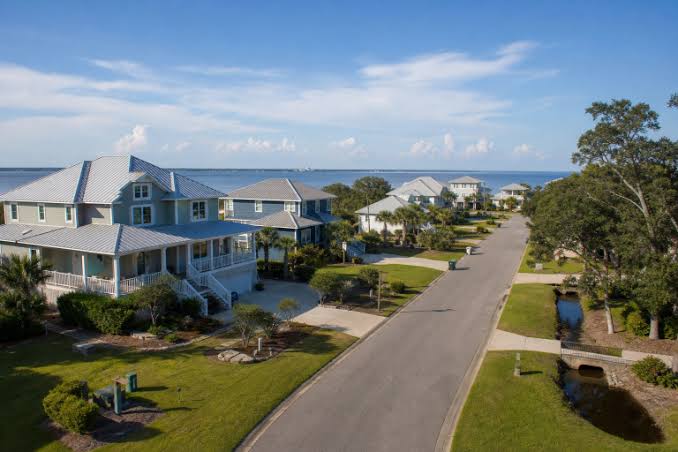
A beach view can make a home search feel simple, but coastal ownership involves much more than scenery. Buyers comparing Ponte Veadra Beach, FL homes for sale can use the local listings and neighborhood search from Suzie & Rory Connolly as a practical starting point. Their site focuses on Ponte Vedra Beach and nearby First Coast communities such as Palm Valley, Jacksonville Beach, Neptune Beach, Atlantic Beach, and Nocatee, helping buyers compare home styles, locations, and daily access across the area.
The right coastal property should fit both your preferred lifestyle and your comfort with ongoing costs, weather exposure, maintenance, and travel time. A clear comparison process makes it easier to enjoy the benefits of coastal living without overlooking the details that matter after closing.
Start With the Life You Want to Live
Begin by defining how the home will be used. A full-time residence, vacation home, retirement property, and rental investment may each require a different location, layout, and budget. Consider how often you expect to use the beach, golf courses, restaurants, parks, boat access, and outdoor living areas.
- Would you prefer a quiet street or a shorter walk to the ocean?
- Do you need guest rooms, a home office, pet-friendly outdoor space, or storage for beach equipment?
- Will regular trips to Jacksonville or nearby employment centers affect your choice?
Compare Areas by Everyday Convenience
A city name or ZIP code cannot tell the whole story. Two homes a few miles apart may have very different access to groceries, healthcare, schools, dining, recreation, major roads, and parking. Visit promising areas on a normal weekday, during busy weekend hours, and after dark.
For each neighborhood, compare the following points in a simple notes list:
- Beach access and parking availability
- Typical commute time and route options
- Nearby services and medical care
- Noise, traffic, and seasonal activity
- Property type, lot size, and outdoor usability
- Likely resale appeal for future buyers
Review Flood Exposure Before You Fall in Love With a Home
Flood risk can change from one street to the next, so research the exact address rather than relying on the neighborhood’s reputation. A mapped flood zone is important, but it is not the only consideration. Heavy rain, local drainage, storm surge, tidal conditions, and nearby waterways can affect a property outside a high-risk area.
The National Flood Insurance Program offers a helpful overview of flood zones and maps. Review the map designation, ask about prior water intrusion, and find out whether the seller has an elevation certificate or flood insurance history available for review.
Ask Better Questions About Insurance
Standard homeowners insurance does not typically include flood damage, and coastal policies can have separate windstorm provisions or hurricane deductibles. Request preliminary quotes early, before your decision depends on a single house. The full monthly ownership cost should include mortgage principal and interest, property taxes, HOA or condo fees, homeowner’s insurance, flood coverage, utilities, routine maintenance, and likely storm-related upkeep.
- Is flood coverage required, optional, or advisable for this address?
- What are the wind and hurricane deductibles?
- Does the insurer have roof age or roof material requirements?
- What exclusions, coverage limits, and replacement-cost rules apply?
- Could prior claims or property features affect policy availability?
Study Elevation, Drainage, and Storm-Ready Features
Interior finishes are easy to notice, but the most valuable features may be outside or beneath the home. Review elevation information when available, along with drainage paths, crawl-space or garage design, roof condition, storm shutters, impact-rated windows, generators, sump pumps, retaining walls, and seawalls. A renovated kitchen does not eliminate location-based or structural risk.
Think Beyond Current Conditions
Coastal buyers should also consider future shoreline conditions, drainage projects, high-tide flooding, storm patterns, and nearby development. NOAA’s overview of sea-level rise and housing markets is a useful reminder that long-range environmental conditions can influence housing decisions. This does not make every coastal property a poor choice. It means the price, insurance plan, and maintenance budget should reflect the risks you are willing to manage.
Compare Property Types With Real Ownership Costs
Single-family homes may offer privacy, yard space, and renovation flexibility, but they also place most exterior upkeep on the owner. Condos and townhomes can reduce certain maintenance tasks, yet association fees, shared insurance, rental restrictions, renovation rules, and special assessments deserve close review. Before buying an attached property, request the association budget, reserve information, meeting minutes, governing documents, and details of pending projects.
Check Condition, Not Just Style
Salt air, humidity, and wind can accelerate wear on roofs, windows, decks, exterior paint, metal fixtures, and mechanical systems. Schedule a thorough home inspection and consider specialty evaluations for a seawall, dock, pool, crawl space, older roof, or major addition. Get repair estimates before the inspection period ends so decisions are based on realistic costs rather than assumptions.
Build a Shortlist Before Making an Offer
- Choose three to five target areas.
- Set a complete monthly budget, not just a purchase-price limit.
- Identify non-negotiables, such as beach access, office space, parking, or a first-floor bedroom.
- Check flood exposure and request insurance estimates for each serious address.
- Visit at quiet and busy times, then compare the total value rather than the asking price alone.
- Remove homes with risks or upkeep demands that exceed your budget or comfort level.
Common Questions Coastal Buyers Ask
Is buying near the beach still a good idea?
It can be, especially for buyers who value outdoor access, coastal character, and limited-location appeal. The key is to budget honestly for insurance, maintenance, storm preparation, and potential repairs.
Should buyers avoid homes in flood zones?
Not automatically. Review the exact designation, elevation, insurance cost, past flooding, financing requirements, and the home’s construction before deciding.
Are condos easier to maintain than houses?
They may reduce individual exterior responsibilities, but buyers must understand association finances, shared insurance, fees, rules, and possible assessments.
Final Checklist Before Making an Offer
- Confirm the address, flood designation, taxes, and association obligations.
- Obtain insurance quotes and review roof age and storm features.
- Inspect drainage, moisture indicators, and major exterior components.
- Test the commute and visit the neighborhood during different conditions.
- Understand inspection deadlines and likely future repair needs.
A coastal home can provide an exceptional lifestyle, but the strongest purchase decision balances enjoyment with preparation. Comparing location, flood exposure, insurance, condition, and long-term ownership costs helps turn an emotional search into a practical plan.
