
Table of Contents
- Regular Inspections
- Gutter Maintenance
- Attic Ventilation
- Energy-Efficient Upgrades
- Seasonal Maintenance
- Professional Inspections
- Self-Healing Roofing Materials
- Conclusion
Homeownership comes with a range of responsibilities, and maintaining the roof is one of the most crucial tasks for protecting a property’s structural integrity. Regular inspections and preventive care can help homeowners identify minor issues before they escalate into costly repairs. By understanding the materials, weather impacts, and typical wear patterns, homeowners can take a proactive approach to extend the lifespan of their roofs. Routine maintenance not only safeguards the home but also ensures energy efficiency and overall safety for the household.
Working with a professional, such as a roofing contractor, can provide valuable guidance on the most effective maintenance practices. They can offer expert assessments, recommend suitable materials, and suggest timely interventions that align with the roof’s age and condition. Incorporating strategic maintenance into a home care routine enables homeowners to preserve the roof’s performance, minimize unexpected expenses, and maintain long-term durability without compromising safety.
Regular Inspections
Regular inspections are a fundamental aspect of keeping a roof in optimal condition. By scheduling regular check-ups, homeowners can identify small issues, such as loose shingles, minor leaks, or damaged flashing, before they escalate into more serious problems. These inspections are crucial after severe weather events, as wind, hail, and heavy rain can weaken roofing materials over time. Beyond preventing damage, routine evaluations also help maintain energy efficiency by ensuring the roof is properly sealed and insulated, which can reduce heating and cooling costs.
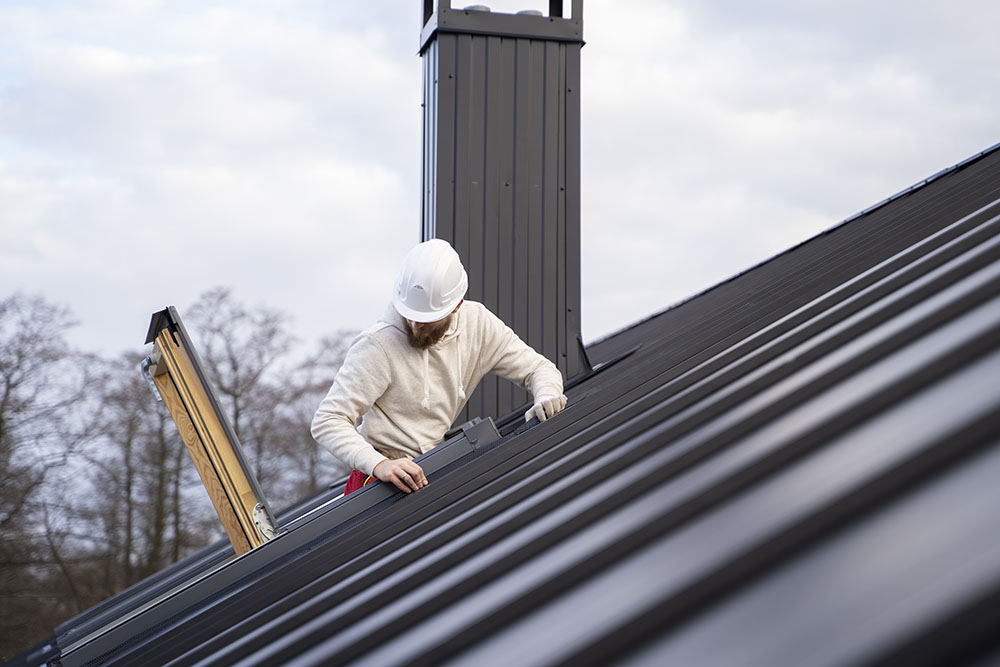
Engaging a professional, like a roofer, for these assessments can provide an extra layer of assurance. Experienced roofers can identify hidden problems that may not be obvious to the untrained eye and recommend appropriate measures to address them. Regular inspections, combined with timely repairs, not only extend the roof’s life but also enhance the home’s overall safety and value.
Gutter Maintenance
Straightforward and functional gutters are essential for diverting rainwater away from your home’s foundation and roof. Clogged gutters can quickly lead to standing water, leaks, and structural damage, including rot and mold. It’s essential to clear your gutters of leaves, twigs, and debris at least twice a year—especially after storms. Installing gutter guards can significantly reduce the frequency of cleanings by preventing buildup and maintaining efficient drainage. These small investments can increase the lifespan of both your roof and your home’s exterior walls.
Attic Ventilation
Proper attic ventilation maintains stable temperature and moisture levels beneath your roof, thereby reducing the risk of mold growth and heat-related damage. Insufficient airflow in the attic traps moisture, leading to wood rot, shingle deterioration, and high energy bills during extreme temperatures. By installing components like ridge vents, soffit vents, or gable vents, homeowners enable regulated airflow that promotes a healthy environment throughout the year. Adequate attic ventilation is one of the most overlooked but critical aspects of modern roof maintenance.
Energy-Efficient Upgrades
Modern roofing technology brings opportunities to enhance the energy efficiency of your home. “Cool roofs,” designed with highly reflective surfaces, can reduce surface temperatures by up to 60°F, significantly lowering cooling costs during hot seasons. Green roofs planted with vegetation not only improve insulation but also reduce stormwater runoff. These innovative choices can make your home more environmentally friendly and reduce your utility bills, making them a smart upgrade for homeowners who are climate-conscious.
Seasonal Maintenance
Winter
During winter, preventing ice dams is crucial. Ensure your attic is adequately insulated and ventilated to prevent melting snow from refreezing at the roof’s edge. Clear away icicles and monitor for signs of leaks during thaws.
Fall
Prepare for heavy rains by removing leaves and debris from the roof and gutters. This prevents water retention, mold, and unnecessary weight.
Summer
Inspect your roof for heat-related issues, such as blistering or cracking shingles, and ensure that UV-resistant coatings are intact. Regular checks help maintain the roof’s resilience under the summer sun.
Professional Inspections
Even the most diligent homeowners can miss subtle signs of damage. That’s why annual inspections by a professional roofing contractor are invaluable. Professionals bring tools, training, and experience to detect hidden issues, recommend essential repairs, and offer tailored maintenance strategies. Relying on a reputable contractor improves your roof’s performance and can help you avoid unexpected expenses.
Self-Healing Roofing Materials
One of the latest breakthroughs in roofing is the development of self-healing materials. These advanced products contain microcapsules filled with a resin or polymer that activates when the material is punctured or cracked. When minor damage occurs, the self-healing properties are triggered, automatically sealing the affected area and preventing leaks. This advancement means reduced maintenance requirements and an extended lifespan for roofing systems—an excellent choice for homeowners embracing innovative, low-maintenance solutions.
Conclusion
Embracing modern maintenance strategies is an investment in your home’s value, efficiency, and durability. By performing regular inspections, keeping gutters clean, ensuring adequate ventilation, adopting energy-efficient and self-healing technologies, and scheduling professional assessments, you ensure your roof stands strong through every season. Prioritize these strategies and your roof will reliably protect your home for years to come.
